
SMS Marketing in India: The Future Explained
TL;DR: The future of SMS marketing in India is permission-led, regulated, automated, and targeted, not undifferentiated bulk messaging. Expect businesses to combine compliant sender registration, useful transactional updates, segmentation, APIs, and email or digital channels, while keeping messages within the familiar 160-character SMS limit as India’s mobile ecosystem grows.
SMS may be familiar, but planning campaigns in India is getting harder: customer journeys now move between apps, websites, email, and chat, while compliance rules leave little room for careless sending. If you are trying to decide whether SMS still deserves budget, the frustration is understandable, especially when delivery, consent, and useful timing all need attention at once. The audience is already highly connected: 85.5% of Indian households had at least one smartphone during January–March 2025. This guide examines the future of SMS marketing in India, the forces reshaping it, compliant campaign setup, automation, measurement, and when SMS belongs beside email and other channels.
| Point | Details |
|---|---|
| Mobile Reach | MOSPI reported that 85.5% of Indian households had at least one smartphone from January to March 2025, keeping SMS relevant despite newer channels. |
| Compliance First | Commercial messages need registered headers, approved templates, and consent-aware processes under India’s TRAI framework. |
| Personalisation Matters | Segment contacts by consent, lifecycle stage, language, location, and behaviour instead of sending one message to every customer. |
| Automation Expands Use | APIs can connect SMS with websites, apps, CRMs, billing tools, and commerce workflows to trigger timely alerts. |
| Measure Revenue Impact | Track delivery, clicks, conversions, opt-outs, complaints, and revenue rather than judging a campaign by send volume alone. |
Why SMS Marketing Still Matters in India’s Next Digital Phase
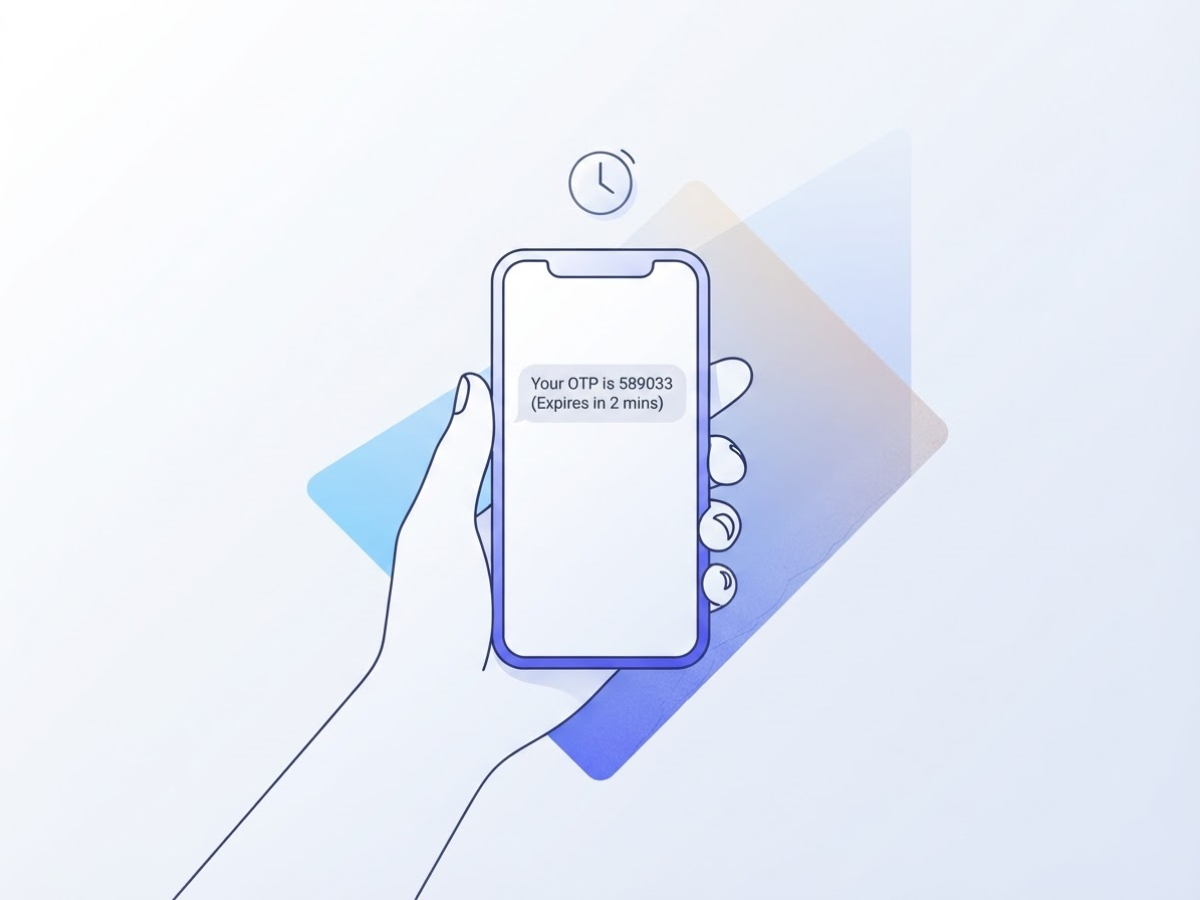
SMS marketing still matters in India because it does one job many newer channels do poorly: it puts a short, readable message on a customer’s phone without requiring an app, login, or reliable data connection. That matters when a delivery is arriving, a payment needs confirmation, or a one-time password expires in two minutes.
India’s digital audience is already large, but it is not uniform. About 85.5% of Indian households had at least one smartphone during the January to March 2025 survey period, while India recorded 958 million active internet users in 2025, including 57% in rural areas. Apps and social platforms will keep growing, yet SMS remains useful across basic phones, older devices, patchy connections, and crowded app notification screens.
The label “SMS marketing” also covers more than discount blasts:
| Message type | Typical use |
|---|---|
| Promotional | Offers, launches, reminders, and limited-time sales |
| Transactional | Order updates, payment receipts, and booking confirmations |
| Service | Appointment changes, outage notices, and delivery alerts |
| Authentication | OTPs, login verification, and password resets |
In client campaigns, the most common mistake is treating every category like advertising. A customer may welcome a bank OTP but ignore a third sale message in the same week. Promotional SMS needs permission, sensible frequency, and a clear reason to act. Transactional and authentication messages need accuracy first, because a wrong link or delayed code creates support tickets quickly. Businesses should also understand SMS campaign compliance in India, including registered headers, consent records, and approved templates.
Pro Tip: Frame SMS as a dependable delivery layer for important moments, not as a replacement for every digital channel.
The future is therefore not unlimited bulk sending. It is an orchestrated journey: an email explains the offer, an app records the interaction, WhatsApp handles conversation, and SMS delivers the time-sensitive prompt or fallback alert. SMS is less glamorous than an app, but its simplicity and urgency often make it the channel customers notice first.
That role becomes clearer when you examine how businesses can use automation and customer data without turning relevance into noise.
The Forces Reshaping SMS Marketing in India
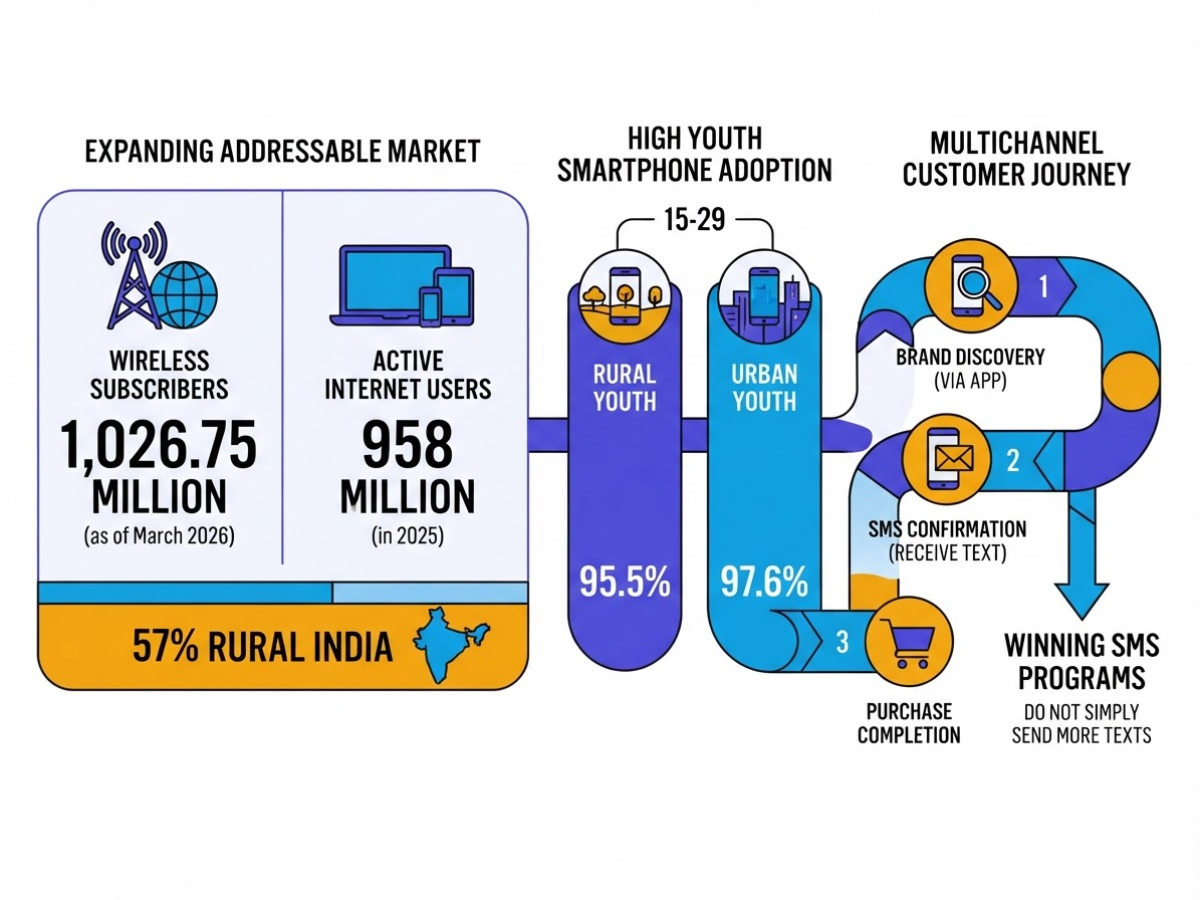
The addressable market is getting larger, but the winning SMS programs will not simply send more texts. India’s wireless-data subscriber base reached 1,026.75 million by the end of March 2026, while active internet users reached 958 million in 2025, with 57% living in rural India. That combination puts smaller towns, first-time digital buyers, and regional-language users firmly on the marketing map.
Young consumers widen it further. Among mobile-phone owners aged 15 to 29, smartphone ownership stood at 95.5% in rural areas and 97.6% in urban areas. In practice, that means a rural customer may discover a brand through an app, receive an SMS confirmation, and complete the purchase later. The frustrating part is that patchy connectivity, shared devices, and changing phone numbers still make audience data messy.
Over the next few years, I expect four milestones to shape campaign results:
- 2026: infrastructure becomes the baseline. More data subscribers and internet users increase reach, but broad lists will waste money unless you segment by location, language, product interest, and recent activity.
- 2026–2027: compliance becomes operational infrastructure. DLT records sender registration, consent, complaints, and approved content templates. Registered headers identify the sender, while template scrubbing can stop a message before delivery. Teams that treat consent records as a spreadsheet afterthought will face blocked campaigns and avoidable complaints. Our guide to SMS campaign compliance in India covers the practical checks.
- 2027 onward: triggers replace blasts. A payment receipt, abandoned application, delivery update, renewal date, or inactive-customer threshold can start a message at the right moment. Lifecycle messaging usually beats a festival blast because the customer has already supplied a reason to communicate.
- The measurable outcome: less waste. Relevant messages should improve trust and deliverability while reducing sends to people who cannot act. That matters when the average Indian subscriber sent only 9.44 outgoing SMS messages per month in 2025–26.
Pro Tip: Use infrastructure growth as a reason to improve targeting, not as permission to increase message frequency.
The hard work is not adding another million numbers to a file. It is connecting consent, identity, timing, and customer behaviour so each text earns its place. The next section examines how businesses can turn that foundation into a practical SMS strategy.
How to Build a Future-Ready SMS Strategy
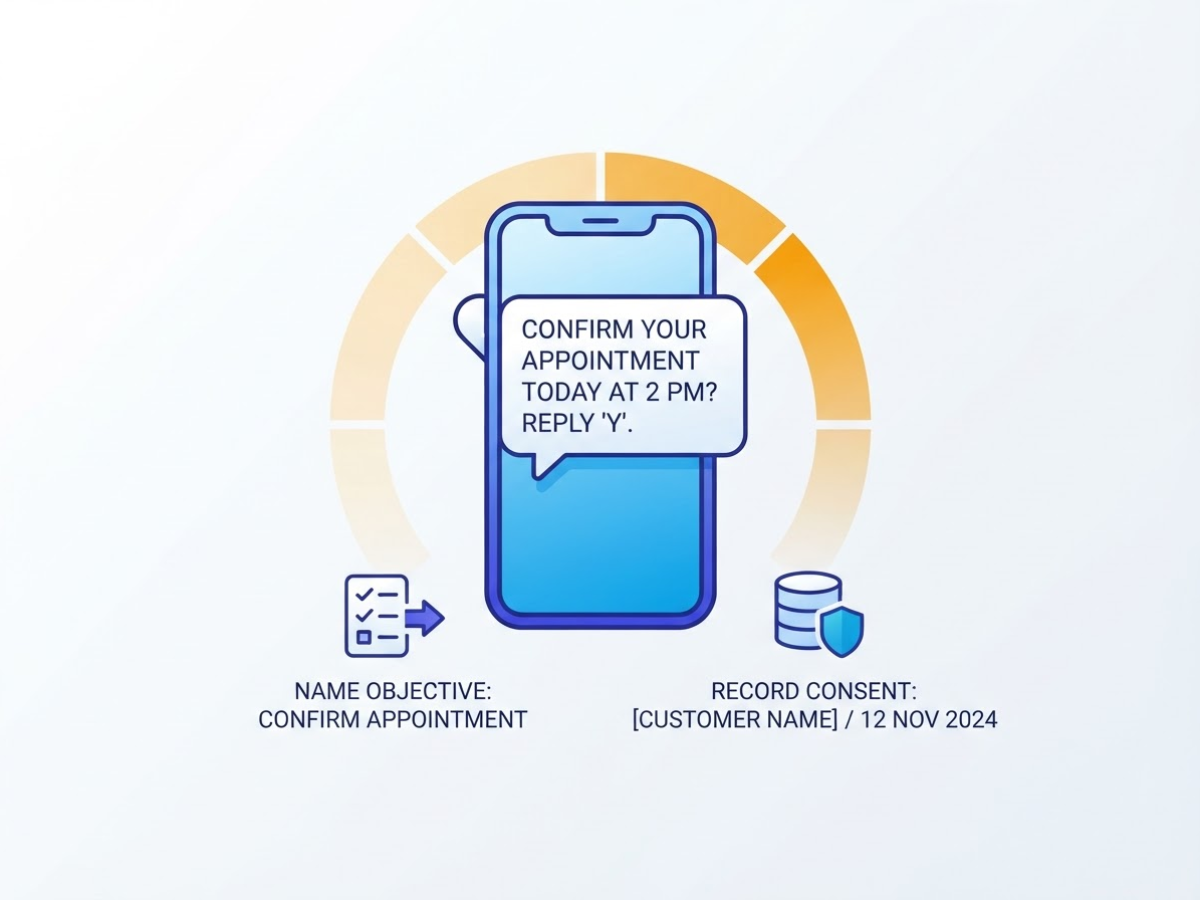
A workable SMS strategy starts with a decision, not a broadcast list. When I plan campaigns with business teams, the most common failure is sending a discount before deciding what the customer should do next. Use this process instead:
- Name the objective and journey stage. Choose one outcome, such as completing payment, confirming an appointment, recovering an abandoned cart, or bringing an inactive customer back. Mark the stage too: acquisition, onboarding, purchase, delivery, support, or retention. A campaign with three goals usually produces vague copy and poor reporting.
- Record consent before you write. Store the phone number, consent date, source, wording shown to the customer, and permitted message type. Keep promotional consent separate from transactional messages, and make opting out straightforward. For Indian commercial traffic, use a registered header under TRAI’s commercial-communication framework; its DLT process also records consent, complaints, and registered templates.
- Build a useful segment. Combine location, preferred language, lifecycle stage, and behaviour. A Hindi message for a customer in Jaipur who viewed a product twice is more relevant than the same English offer sent to every contact in India. Keep the first version small enough to inspect manually, especially when your database contains old or duplicated numbers.
- Write for a phone screen. Put the brand name near the beginning, state the benefit, and give one clear action. Use a short tracked link, a reply keyword, or a support number, but do not cram all three into one text. Read the message aloud; awkward abbreviations and missing variable values become obvious.
Pro Tip: Create a small library of approved message templates for recurring events so speed never bypasses compliance review.
- Test the complete delivery flow. Send test messages to different networks and handsets. Check the registered sender, template match, spelling, language, personalisation variables, link destination, expiry date, and reply handling. Schedule around customer habits rather than your team’s convenience, and set a frequency cap so one customer does not receive four reminders in a day.
- Connect SMS to the systems doing the work. Link your CRM, website, app, email platform, payment gateway, and operational tools. For example, a payment confirmation should come from the transaction event, while a follow-up email can carry product details after the SMS delivers the next action. Teams often underestimate this setup; integrating bulk SMS with email can involve duplicate triggers and messy opt-out syncing.
- Set a baseline before scaling. Track delivery rate, click or reply rate, conversion, opt-outs, complaints, failed links, and revenue per message. Compare each send with a control group or your previous baseline, then fix the weakest step before increasing volume. This review will make the next campaign more useful, not merely larger.
Once this process is in place, you can judge which emerging SMS capabilities deserve a place in your wider channel plan.
Where Automation, APIs, and AI Add Real Value
On client accounts, the first SMS upgrade is rarely artificial intelligence. It is replacing a spreadsheet, a copied contact list, and a nervous “send” click with a repeatable workflow. Each maturity level solves a different operational problem, so buying the most advanced tool first often wastes money.
| Operating model | Best fit | What it handles | Main drawback |
|---|---|---|---|
| Spreadsheet and manual bulk send | Small, occasional campaigns | Uploading a list and sending one offer or announcement | Duplicate records, missed opt-outs, weak reporting |
| Platform workflow | Scheduled campaigns and recurring reminders | Segments, templates, timing, delivery reports | Someone still has to maintain triggers and data |
| API-triggered SMS | Transactional, high-volume events | Order updates, payment alerts, lead follow-up, renewals, and abandoned actions | Integration work, testing, and vendor dependency |
| AI-assisted operation | Copy variants, timing suggestions, and anomaly checks | Pattern analysis and controlled optimisation | Incorrect claims, privacy risks, and off-brand wording |
A spreadsheet remains reasonable for a neighbourhood event or a monthly list under a few hundred contacts. It becomes painful when a customer places two orders, changes their phone number, or opts out after the file was exported. Manual sending also tells you little beyond delivery, which makes it difficult to connect a message with a sale or support resolution.
Platform workflows are the sensible middle step. You can create a reminder 24 hours before an appointment, follow up with a lead after 30 minutes, or send a renewal notice seven days before expiry. Keep the message short, define the audience once, and review failure reports instead of asking a staff member to remember every date.
An API goes further by letting your website, mobile app, billing software, CRM, or support desk send the event automatically. A paid invoice can trigger a receipt, a delivery status can trigger an update, and an abandoned checkout can start a timed recovery message. The connection needs authentication, retries, logging, and a test environment. Otherwise, one software update can quietly stop important texts.
AI is useful as an assistant, not an unchecked sender. Let it suggest Hindi or English variants, identify send-time patterns, flag unusually low delivery, or compare two approved messages. Keep a person responsible for approval, personal-data handling, factual accuracy, brand voice, and Indian SMS compliance, including registered headers and templates. A guide to SMS campaign compliance in India is worth checking before automation goes live.
Start with the simplest system that supports your required volume, integrations, and reporting. If you need one campaign a month, do not build an API. If missed renewals cost revenue every week, manual sending is already too expensive. For teams managing several channels, an omnichannel customer communication platform may also reduce the copying between SMS, chat, and support tools that causes avoidable mistakes.
The next decision is less technical but just as important: which messages deserve priority in the customer journey.
Compliance and Trust: The Non-Negotiables
Compliance failures rarely look dramatic at first. A sender skips one approval, imports an old spreadsheet, or changes a sentence after registration. Then delivery drops, customers complain, and the brand starts looking like spam. I have seen teams treat DLT paperwork as an agency task, which is a mistake: the business remains responsible for who receives its messages and what those messages promise.
Before sending, register your business entity and its sender identity, called a header. Commercial messages must use a registered header under TRAI’s framework, while each promotional or service message needs an approved content template. Your consent record should show who agreed, when they agreed, what they agreed to receive, and how they can withdraw it. A vague “I accept updates” checkbox is weak evidence.
Common mistakes include:
- Buying a list and assuming the seller collected valid Indian consent.
- Hiding the brand name behind a misleading sender identity or shortened link.
- Sending promotions to people who agreed only to receive order or account alerts.
- Reusing one template after changing the offer, price, or call to action.
- Texting too often because each campaign team sees only its own schedule.
- Ignoring opt-out requests, delivery failures, or repeated complaints.
DLT checks add friction, but they also expose sloppy preparation. The operator checks your entity, header, consent category, and message against registered records. Commercial messages are scrubbed against registered templates before delivery, so a small wording change can cause rejection or delay. Keep the final approved copy beside the campaign brief, not buried in a chat thread. This guide to SMS campaign compliance in India is useful background, but your provider’s dashboard still needs checking before launch.
Treat complaints as operational data, not an irritation. Indian subscribers can report unsolicited commercial communication by call or SMS to TRAI’s toll-free 1909 route. Honour opt-outs promptly, suppress the number across every campaign, and retain the timestamp. Maintain an auditable consent and suppression file with source, wording, date, withdrawal status, and access history.
This is practical guidance, not legal advice. TRAI rules and operator procedures can change, so verify the current requirements before each major campaign. With that foundation in place, your next priority is deciding how automation should support, rather than replace, careful campaign judgment.
How to Measure Whether SMS Is Still Working
The first number I check is not the click rate. It is whether the message reached the intended handset, because a campaign cannot win back revenue from a customer who never received it. After that, I connect each SMS to the business action it was meant to produce.
SMS has no dependable email-style open-rate metric. Phones do not report whether a recipient glanced at a text, and delivery receipts only show that the network accepted or delivered the message. A 2024 survey reported a 98% text-marketing open rate, but that is a non-India-specific benchmark and should not replace your own outcome data. Treat it as directional, not proof that every recipient read your message.
India’s market context is useful too: subscribers sent an average of 9.44 outgoing SMS messages per month in 2025–26. That figure describes overall behaviour, not the number of promotional messages your campaign should send. A customer receiving several bank alerts is not the same as a customer receiving several discount offers.
I use this practical scorecard when reviewing a campaign:
| Use case | Main success measure | Warning sign |
|---|---|---|
| Alerts and authentication | Delivery and completed action | Failed delivery or repeated code requests |
| Reminders | Response, attendance, or completed payment | Low response despite good delivery |
| Promotions | Incremental conversion and revenue after costs | Opt-outs, complaints, or discount-only sales |
| Support | Reply rate and resolved cases | Customers shifting to expensive calls |
| Reactivation | Returning customers and margin | Clicks without a profitable purchase |
Track delivery, click-through, conversion, revenue per delivered message, replies, opt-outs, complaints, and failed-delivery reasons. Segment results by operator, region, language, customer age, consent status, and use case. A high click rate can hide weak revenue; a low click rate may be acceptable for a payment alert that prevents a missed deadline.
Run controlled tests rather than changing five things at once. Hold out a comparable group, then test copy, send time, audience segment, offer, and SMS combined with email or another channel. Keep a clear baseline and measure incremental value, not sales that would have happened anyway. Integrating SMS with email can work well, but sending both channels to everyone often creates irritation instead of lift.
Scale only when incremental profit exceeds message, discount, and support costs without pushing complaints or opt-outs above your limit. Pause a segment when failed delivery rises, complaint risk increases, or the control group performs just as well. That discipline tells you which SMS use cases deserve investment as customer expectations and channels continue to change.
My honest take on the future of SMS marketing in India
I have watched businesses judge SMS campaigns by send volume, database size, and delivery reports. That is the wrong scoreboard. The future of SMS marketing in India will belong to teams that send fewer messages, not more, because each message is tied to a useful event such as a payment reminder, delivery update, appointment change, or expiring service.
That view sounds conservative, but it reflects the friction I see in real campaigns. Clean consent records, accurate phone numbers, sender-ID registration, template compliance, and DLT checks matter more than adding another clever campaign idea. A single outdated list can create complaints, wasted spend, and confusing follow-ups. Integrations matter too: if your SMS tool cannot receive the right order or account status from your website, app, CRM, or billing system, automation only helps you send the wrong message faster.
I also do not treat SMS as a complete marketing channel. It is poor at long-form storytelling and often feels intrusive when used for broad promotions. I would pair it with email for detail, a website for context, and apps or social channels where richer interaction makes sense. Measurement should focus on completed actions and complaints, not delivery alone.
My practical rule is simple: send only when the recipient can understand the value immediately.
— AVM Cloud Content Strategy Team
Make SMS Marketing Ready for What Comes Next
If your India-focused SMS plan includes appointment reminders, order updates, or time-bound promotions, AVM Cloud, alongside DomainAdda’s SMS marketing services, is worth assessing as a practical starting point. You can review a guided bulk SMS setup for campaign workflows, sender details, and reporting needs before committing. The unglamorous part matters: list cleanup, template approval, delivery reports, and consent records can create more work than the message writing itself.
For a website or app, connecting an SMS API to your existing systems can reduce manual copying for transactional alerts and promotional journeys. API work still needs testing, error handling, and sensible access controls, so it is not a plug-and-forget job. Assess your audience, message volume, integrations, and reporting requirements, then explore the available solution or speak with the team about a suitable setup. Your business remains responsible for consent and applicable messaging rules.
Frequently Asked Questions
Is SMS marketing still effective in India?
Yes. SMS remains useful for time-sensitive alerts, OTPs, appointment reminders, and short offers because it can reach customers on basic phones and weak data connections. Judge it by practical results such as delivery rate, response rate, and opt-outs, not by sending 100,000 messages and assuming the campaign worked.
What is the future of bulk SMS in India?
Bulk SMS will move towards smaller audience segments, API connections, automated triggers, and stricter consent controls. Instead of sending one offer to 50,000 contacts, a retailer might send a location-based coupon after a purchase or a reminder 24 hours before an appointment.
How many SMS can a business send in India?
There is no single safe number for every business, because sender registration, consent, message templates, operator rules, and regulatory requirements affect the permitted use. Start with a frequency limit such as 2 promotional messages per customer per week, then adjust it after checking opt-outs, complaints, and conversions.
What is the difference between promotional and transactional SMS in India?
A promotional SMS markets an offer, product, or service, while a transactional or service message provides information linked to an account, request, or customer action. For example, a discount code is promotional, but a login OTP or payment confirmation serves a different purpose, so verify the current TRAI rules before sending either type.
Can AI replace SMS marketing teams?
AI can help with segmentation, message drafts, send-time analysis, and automated workflows, but it should not make the final call on consent, accuracy, privacy, or compliance. Keep at least 1 human review step before automated messages reach customers, especially when the campaign uses financial, health, or account information.
Recommended reads
- Emerging Bulk Sms Marketing Trends In 2026
- Connecting Bulk Sms Api To Your Website Or App
- Sms Vs Email Which Is Better For Your Business In 2026
- Why Sms Marketing Is Still Popular In India Even With New Rules
Sources
- Results of Comprehensive Modular Survey: Telecom, 2025
- Media | IAMAI
- Press Information Bureau: Telecom Services Performance Report, April 2025–March 2026
- The Indian Telecom Services Yearly Performance Indicators 2025–2026
- Advice to Senders | Telecom Regulatory Authority of India
- Telecom Commercial Communications Customer Preference Regulations, 2018: Second Amendment Regulations, 2025
- Unsolicited Commercial Communications (UCC) | Telecom Regulatory Authority of India
- 2024 SMS Marketing Consumer Behavior Report | EZ Texting